Why Strategy Comes Before Design
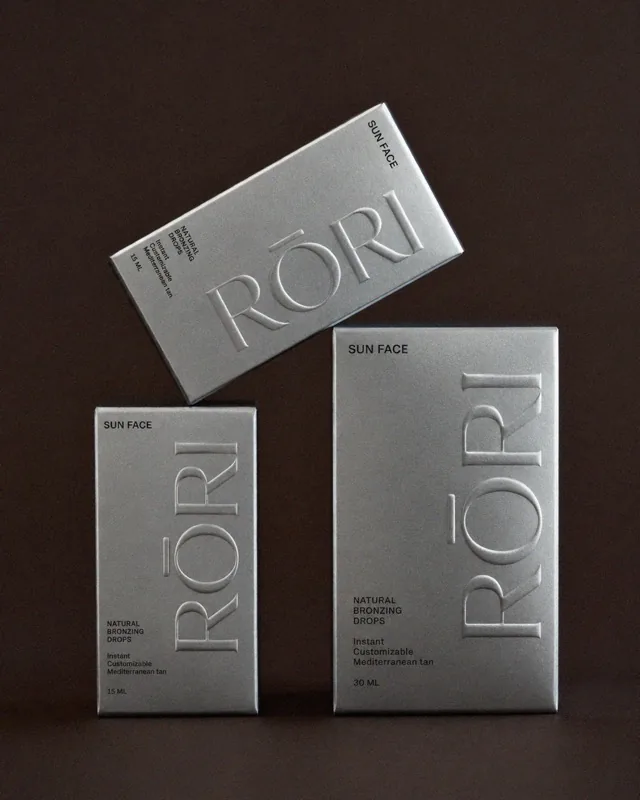
Jumping into design without strategy is like building a house without a blueprint. You might end up with something that looks interesting, but it won’t function the way you need it to. Rooms in the wrong place. No flow. No foundation. That’s what happens when brands skip strategy and go straight to “make it pretty.”
Strategy is the invisible architecture behind every great brand. It’s the reason some businesses feel instantly clear and others feel scattered, even when the design quality is the same.
What strategy actually defines
Strategy answers the questions that design alone cannot: Who are you designing for? What do you want them to feel? What action do you want them to take? These aren’t aesthetic decisions—they’re business decisions. And they need to be made before a single pixel moves.
Without strategy, design becomes decoration. It might look good on a mood board, but it won’t convert, connect, or communicate anything meaningful. With strategy, every visual choice has a reason. Every color, every layout, every word serves the bigger picture.
Design as communication, not decoration
The best brands don’t just look good—they work. They attract the right people, repel the wrong ones, and make the path from discovery to conversion feel effortless. That doesn’t happen by accident. It happens because someone sat down and defined the intent before opening a design tool.
The bottom line
Every visual decision should serve a purpose. If you can’t explain why something looks the way it does, it’s probably not strategic—it’s just a preference. And preferences don’t scale. Strategy does. Start there, and the design will follow with clarity, confidence, and direction.